Best trekking poles
Aluminium or carbon, telescoping or folding. The two decisions that matter, and the pole that suits most walkers without needing to be babied.
4 products ranked Updated
Our rankings are built from published testing by named outlets, not from our own lab. We earn a commission when you buy through our links, and it never changes the order.
The short answer
- 1 Black Diamond Trail Back Trekking Poles Best for most walkers $99.95
- 2 Leki Legacy Lite Best value $109.95
- 3 MSR DynaLock Ascent Carbon Best if you will pay for compact $189.95
- 4 Trekology Trek-Z 2.0 Best on a tight budget $55.99
Prices checked 14 September 2026. They move constantly — the retailer's own page is the authority.
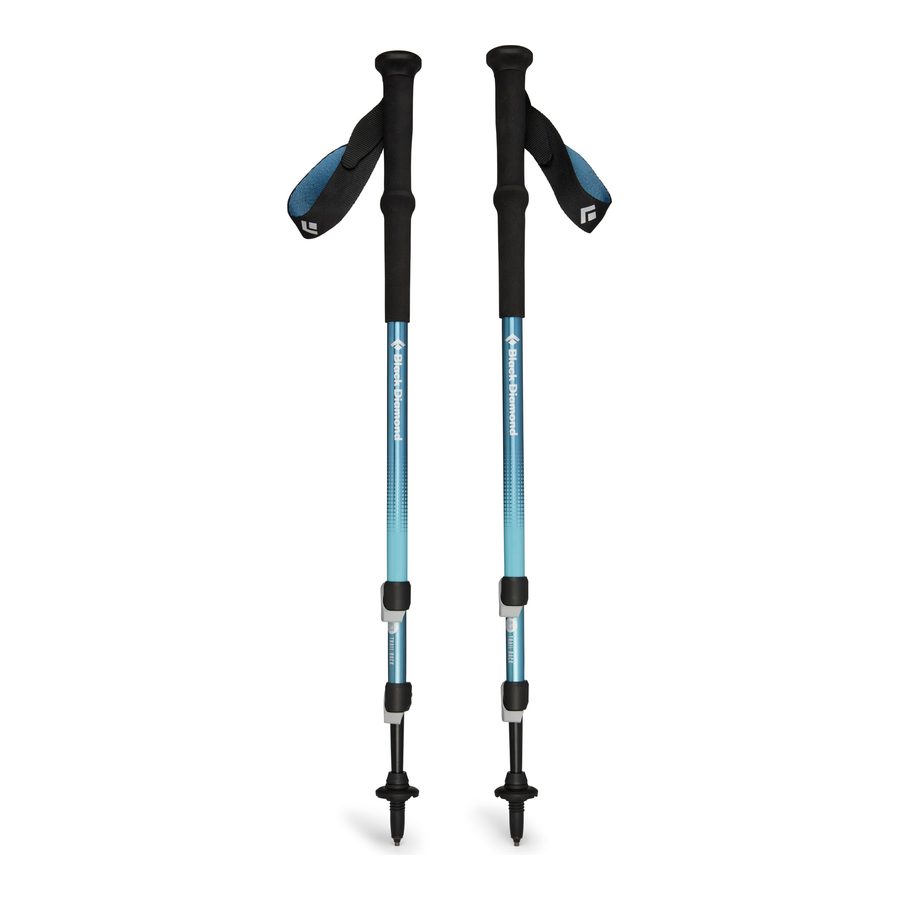
Black Diamond Trail Back Trekking Poles
4 / 5
Our reading of OutdoorGearLab — 74/100 and their Best Durable Workhorse , 2026
The pole to buy if you want one pair that will last years and survive being jammed between rocks, lent to a friend or thrown in a car boot. Our source describes it being handed out to guided guests of every size carrying heavy loads, which is as good a durability test as anyone runs. The price of that toughness is weight and length: it is heavier than carbon and packs long.
Pros
- Aluminium that survives abuse, per the test
- Fits a wide range of heights and hands
- Summer and winter use
Cons
- 517 g a pair, heavier than carbon poles
- 63.5 cm collapsed, long on a pack
- Adjusting the lock tension needs a tool
- Shaft
- aluminium, telescoping
- Weight
- 517 g a pair, measured by our source
Where these findings come from
- OutdoorGearLab: 74/100, Best Durable Workhorse; aluminium; measured 517 g a pair and 63.5 cm collapsed
- OutdoorGearLab: their lead tester guides trips where this pole is issued to guests carrying up to 60 lb, and knows of no pole with such a universal fit
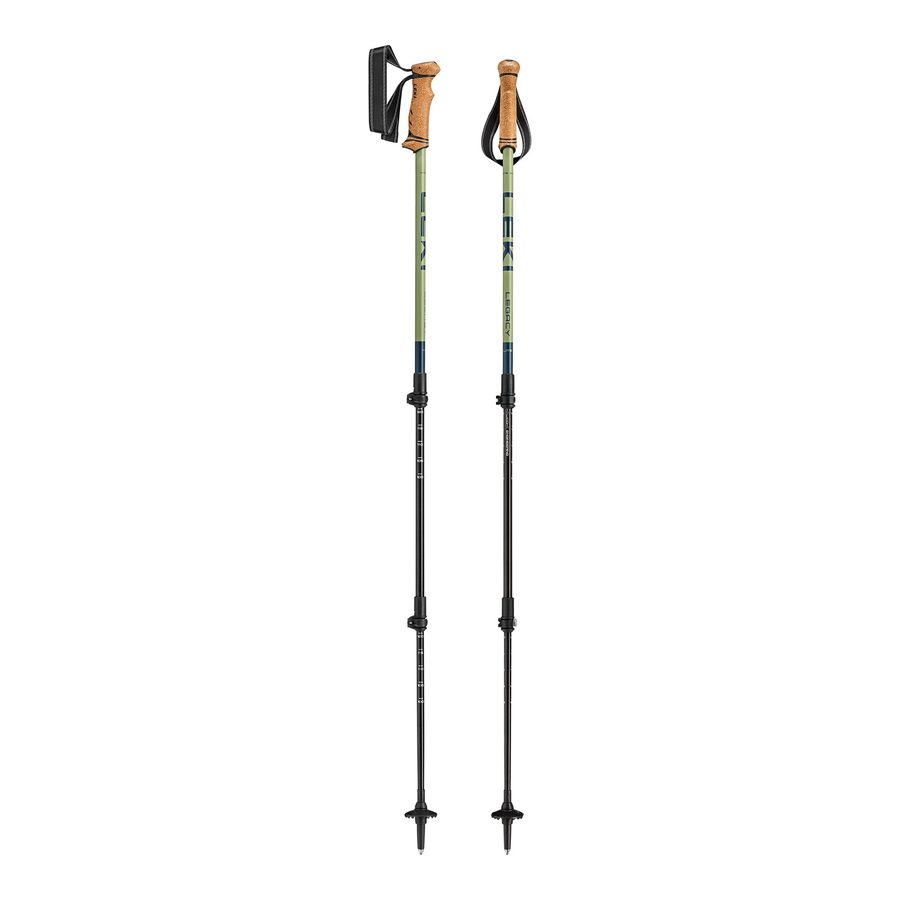
Leki Legacy Lite
4 / 5
Our reading of OutdoorGearLab — 73/100 and their Best Bang for the Buck , 2026
A point behind the Black Diamond, 51 g lighter a pair, and with a quicker lock. It is the better pole if your hands are small to average. Our source is specific that the cork grip runs small, so if you have large hands, try one in a shop or take the Black Diamond instead.
Pros
- 466 g a pair, lighter than the Black Diamond
- Quick, secure length adjustment
- Wide adjustment range suits shared use
Cons
- Grips are small for large hands
- Packs long, like any telescoping pole
- Shaft
- aluminium, telescoping
- Weight
- 466 g a pair, measured by our source
Where these findings come from
- OutdoorGearLab: 73/100, Best Bang for the Buck; aluminium; measured 466 g a pair and 62.2 cm collapsed
- OutdoorGearLab: held up with 30 to 40 lb packs; grips run small for larger hands
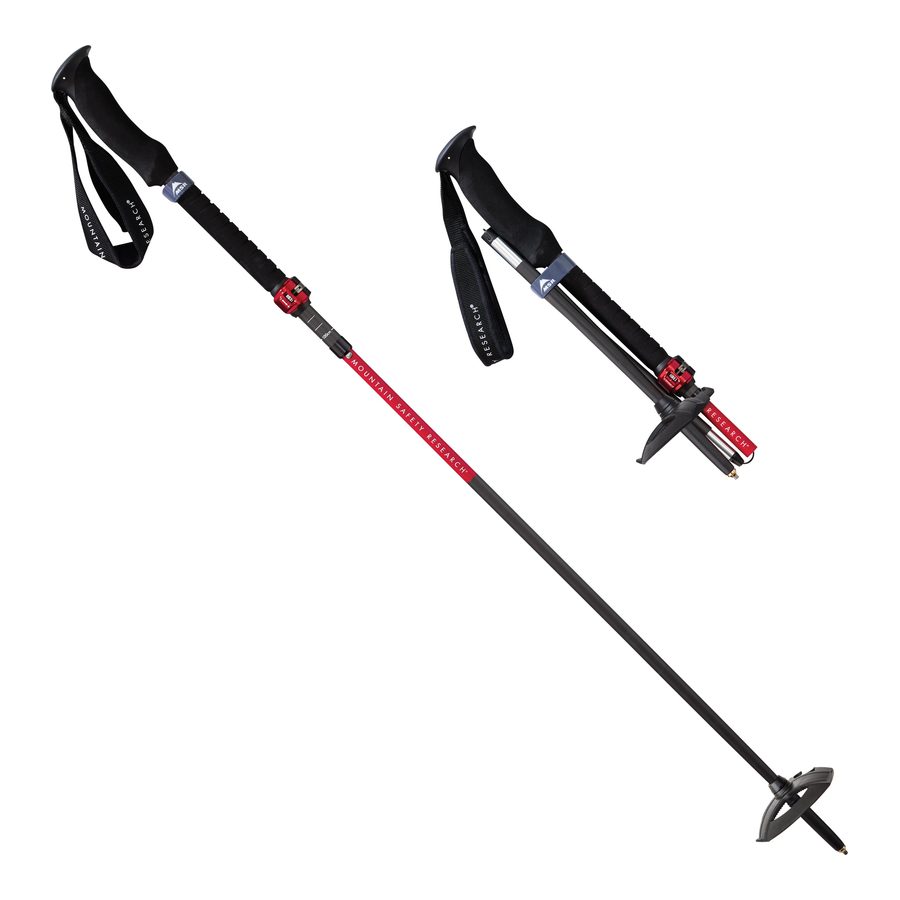
MSR DynaLock Ascent Carbon
4.5 / 5
Our reading of OutdoorGearLab — 84/100, the top score of 19, and their Best Upgrade Pick , 2026
The highest score in the test, and the reason is packed size: it folds to 14.5 inches, small enough to vanish inside a pack or a suitcase, and swings as if it weighed less than it does. If your poles spend half the walk strapped to your bag, or you travel with them, this is worth the money. If they are in your hands all day on rough ground, the aluminium picks above are tougher.
Pros
- Top score of 19
- Folds to 14.5 inches
- Light swing weight that eases long days
Cons
- $189.95, nearly twice the Black Diamond
- Not the most durable in the test
- Shaft
- carbon, folding
- Weight
- 15.7 oz a pair, measured by our source
Where these findings come from
- OutdoorGearLab: 84/100, highest overall and Best Upgrade Pick; carbon, folding; measured 15.7 oz a pair and 14.5 in collapsed
- OutdoorGearLab: light swing weight, feels lighter than its scale weight; other poles such as the Black Diamond Pursuit proved more durable
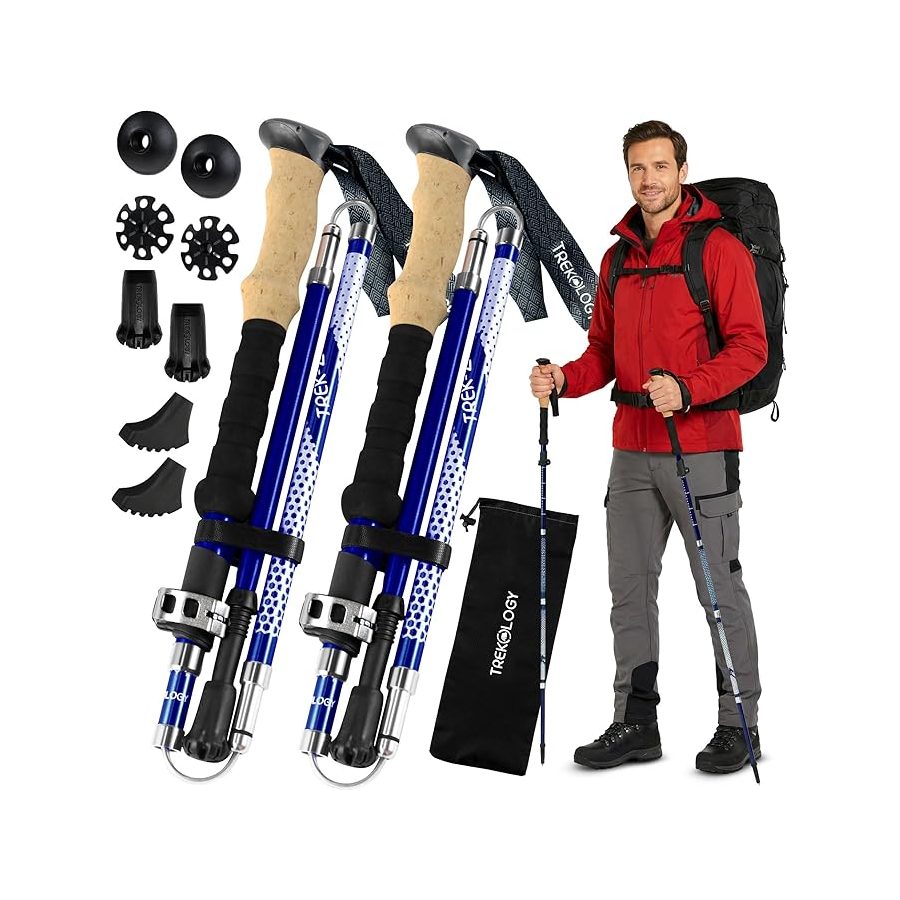
Trekology Trek-Z 2.0
3.5 / 5
Our reading of OutdoorGearLab — 66/100 and their Best on a Tight Budget , 2026
A folding pole, the design that used to cost premium money, for $56. It packs almost as small as the MSR. What you give up is adjustment range, about 7 inches, and some confidence under heavy loads: our source had no failures but reports reader complaints. For day hikes and occasional use it is a sensible first pair.
Pros
- Folds to under 15 inches for $56
- Comfortable grip, with baskets included
Cons
- Only about 7 inches of length adjustment
- Reader durability complaints, per our source
- Heavier than the carbon MSR
Where these findings come from
- OutdoorGearLab: 66/100, Best on a Tight Budget; aluminium, folding; measured 19.1 oz a pair and 14.75 in collapsed
- OutdoorGearLab: about 7 inches of length adjustment, less than most; no failures in their use, but they have received durability complaints from readers
What actually matters
Aluminium or carbon. Aluminium bends before it breaks and can often be straightened on the trail. Carbon is lighter and stiffer and, when it fails, snaps. For heavy packs, rough ground and poles that get lent around, aluminium is the sensible default.
Telescoping or folding. Telescoping poles adjust over a wide range and pack long, around 60 cm. Folding poles collapse to under 40 cm, which matters if they live inside your pack or a suitcase, but usually adjust over a shorter range.
The lock. External lever locks are easier to use with cold hands and easier to check at a glance than twist locks, which is why nearly every pole below uses one.
The grip. Foam soaks up sweat and is warmer in winter. Cork moulds to your hand over time. Grip size matters more than material: a grip too small for your hand is tiring all day.
Sizing
With the pole tip on the ground by your foot, your elbow should sit at roughly a right angle. Shorten them a little for long climbs and lengthen them for descents, which is the whole argument for adjustable poles.
Where this comes from
We do not test trekking poles. Our source bought 19 pairs and used them for hiking, running, trekking and climbing, scoring comfort, versatility, construction, locking, packed size and weight. The weights and collapsed lengths on this page are their measurements, not the makers' figures.
What we are leaving out
Single walking sticks and Nordic walking poles, which are built for a different technique, and ultralight poles that trade durability for grams.
Where this comes from
We did not test these. These people did.
Every score on this page rests on the testing below. The ranking is ours; the measurements are not. How we research.
- OutdoorGearLab — 19 pairs bought and used hiking, running, trekking and climbing, scored on comfort, versatility, construction, locking, packed size and weight, with measured weights and collapsed lengths. Updated May 2026.
Questions people ask
Do trekking poles actually help?
One pole or two?
More guides
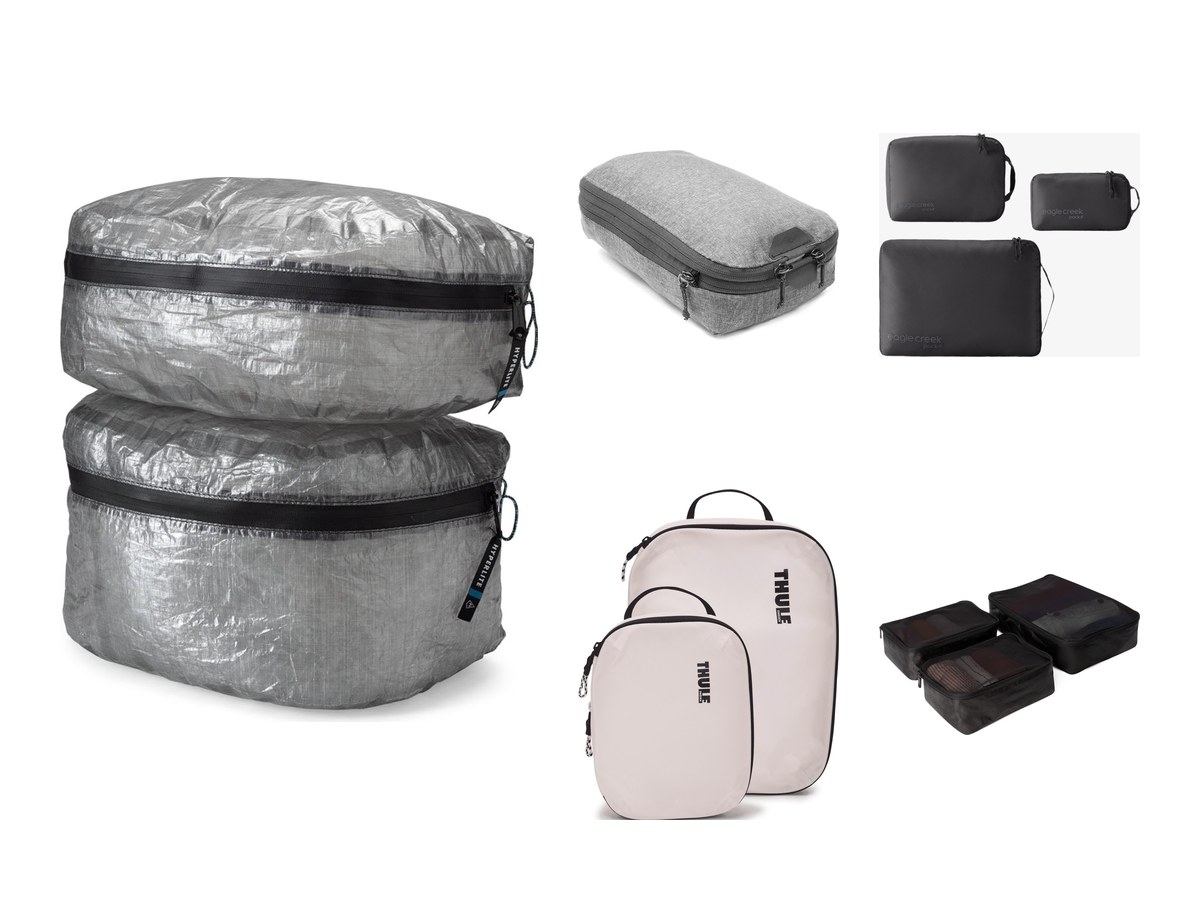
Best packing cubes
What packing cubes actually buy you, what they do not, and the one component that decides whether a set lasts a year or five.
5 picks Updated
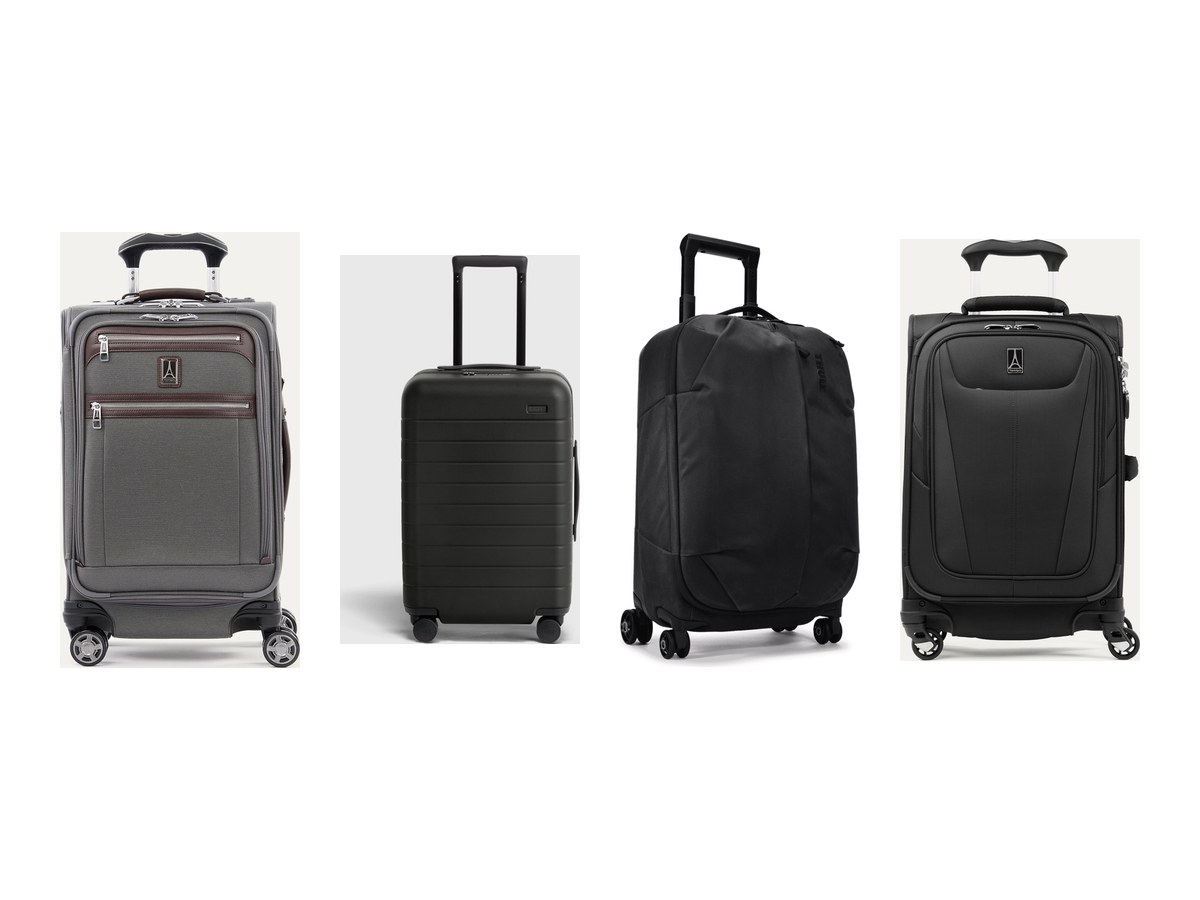
Best carry-on luggage
Cabin allowances, wheels, and the part that actually breaks. What to weigh up before you buy, and how we will decide the ranking.
4 picks Updated
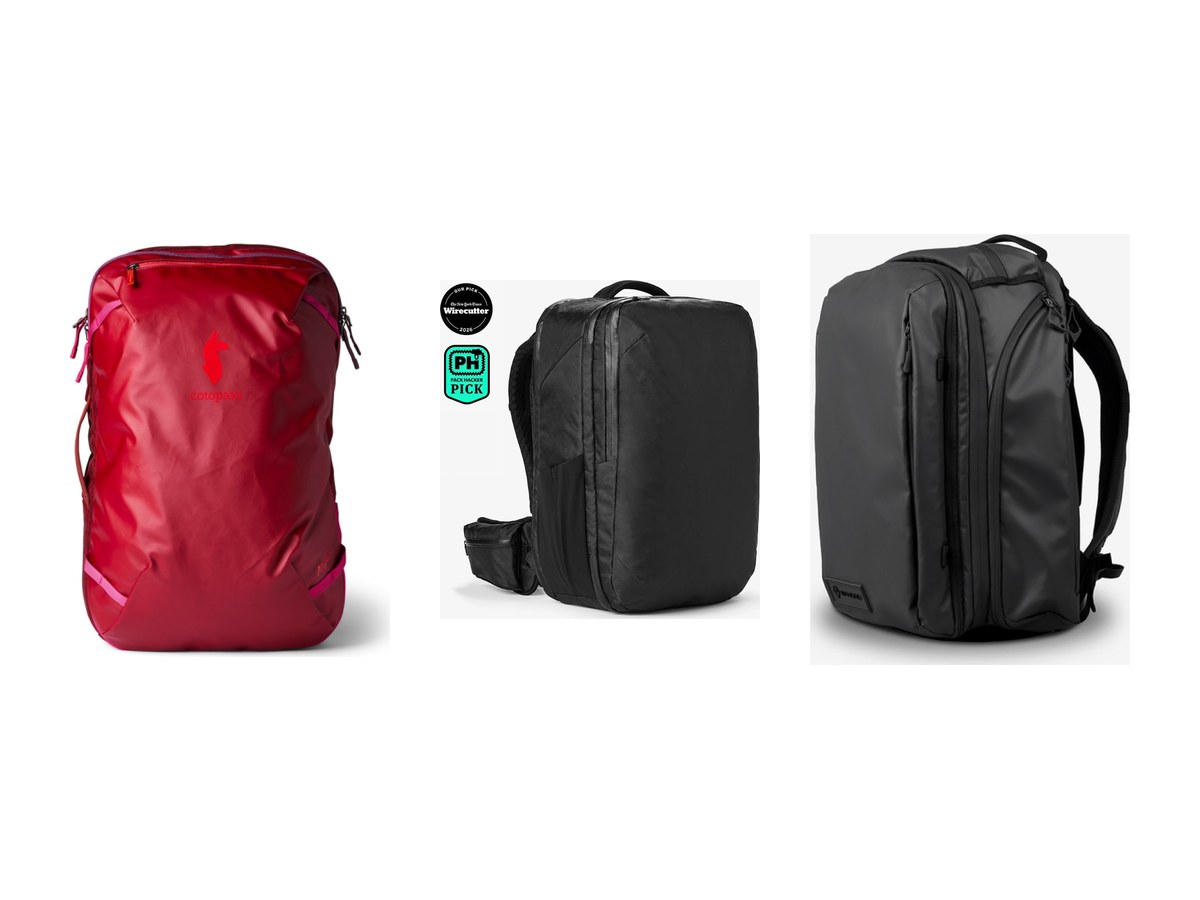
Best travel backpacks for a one-bag trip
Carrying a week on your back means trading capacity against the cabin allowance. The measurements that decide it, and how we will rank them.
3 picks Updated