Best hiking boots for wide feet
Most boot brands are cut narrow, and 'wide' means different things to each of them. The last widths that matter and how to work out yours.
3 products ranked Updated
Our rankings are built from published testing by named outlets, not from our own lab. We earn a commission when you buy through our links, and it never changes the order.
The short answer
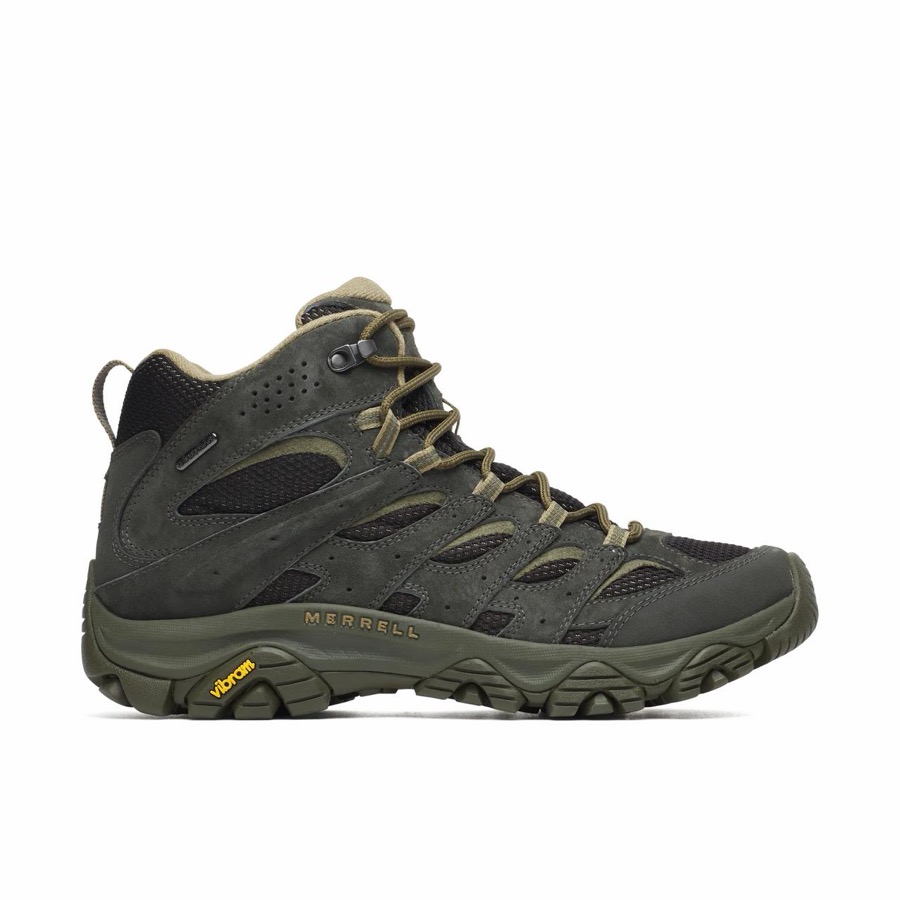
- 1 Merrell Moab 3 Mid Waterproof, Wide Width Best overall for wide feet $175, per OutdoorGearLab
- 2 Topo Athletic Trailventure 2 WP Best if you want room without buying a wide size $185
- 3 Columbia Crestwood Mid Waterproof Best under $100 $100, per OutdoorGearLab
Prices checked 9 September 2026. They move constantly — the retailer's own page is the authority.
Merrell Moab 3 Mid Waterproof, Wide Width
4 / 5
Our reading of OutdoorGearLab — 74/100 and a Best Buy, and named among the models offering a wide option , 2026
The pick because Merrell sells an actual wide-width version rather than a regular boot that happens to run roomy — the link here goes to that version, not the standard one. It is not the highest-scoring boot in the test; it is the highest-scoring one you can buy in a genuine wide fitting. Merrell publishes no price we can read, so the figure is our source's.
Pros
- A dedicated wide-width model, not a roomy regular
- Best Buy in a 19-boot test, with comfort weighted highest
- Vibram outsole and a waterproof membrane at $175
Cons
- 74/100 — six boots in the test scored higher
- 1.88 lb, heavier than the top scorer
- Price not verifiable on Merrell's own page
Where these findings come from
- OutdoorGearLab: 74/100 and a Best Buy award; listed among the boots offering a dedicated wide option
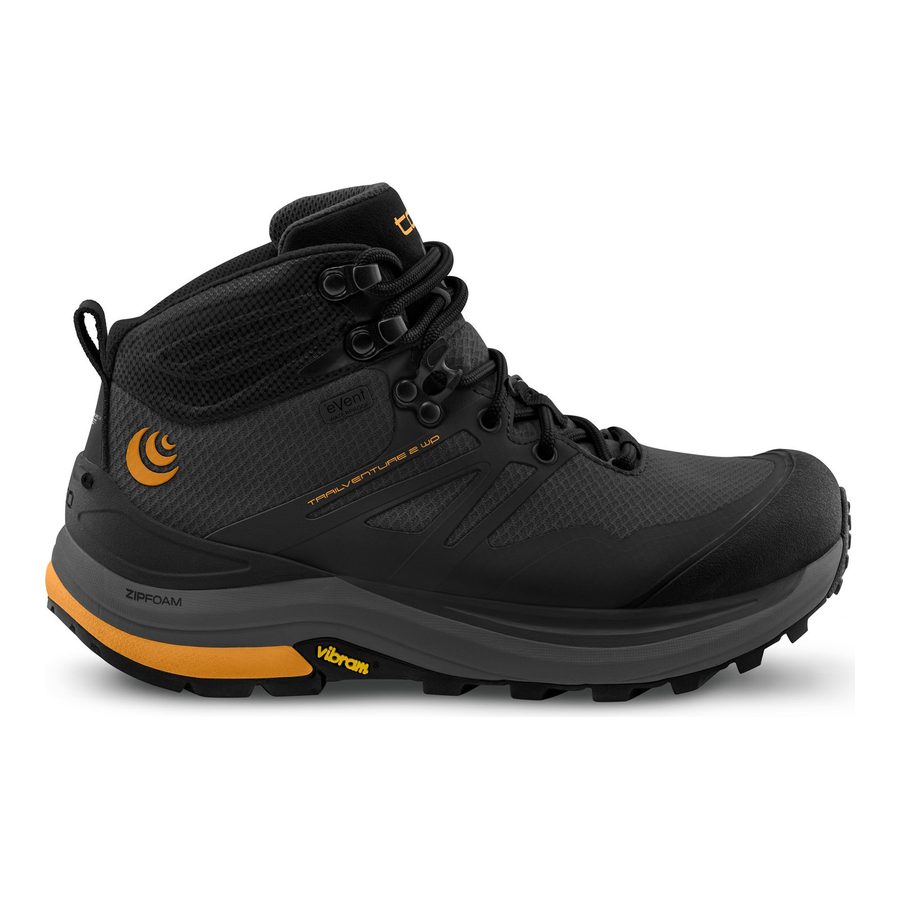
Topo Athletic Trailventure 2 WP
4 / 5
Our reading of OutdoorGearLab — 76/100 and a Top Pick, called perfect for a wider foot , 2026
Topo build every boot on a wide, foot-shaped last, so the regular size is the wide size — which suits people whose forefoot is broad but whose heel is not, the group that a true wide fitting often leaves swimming. Scores two points above the Merrell.
Pros
- Roomy forefoot as standard, with a normal heel
- 76/100, above the Merrell
Cons
- A wide last is not the same as a wide size — very broad feet may still need a true wide
- $185 at Topo, the most expensive of the three
Where these findings come from
- OutdoorGearLab: 76/100 and a Top Pick; described as perfect for those with a wider foot
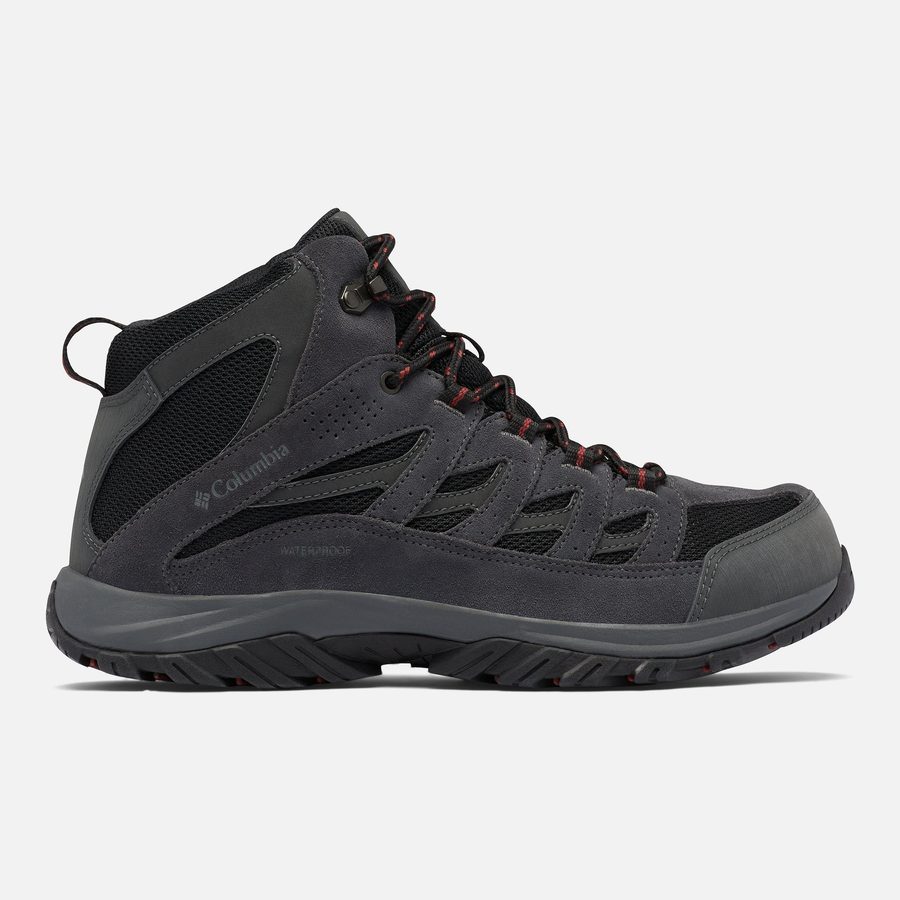
Columbia Crestwood Mid Waterproof
3.5 / 5
Our reading of OutdoorGearLab — 71/100 and a Best Buy, with wide options offered , 2026
Under half the price of the other two and still a Best Buy in the same test, with a wide fitting available. The three points it gives up to the Merrell are mostly support and durability, which matter more the longer your walks get. For occasional day hikes on maintained trails this is enough boot. Columbia's page showed us more than one price, so the figure here is our source's rather than a guess between them.
Pros
- A wide option at $100
- Best Buy in a 19-boot test
Cons
- Lowest score of the three
- Support and durability are where it gives ground
- Price quoted from our source, not read off Columbia's page
Where these findings come from
- OutdoorGearLab: 71/100 and a Best Buy; listed among the models offering a wide option
What actually matters
The last, not the label. A boot's shape comes from the last it is built on, and makers differ enormously. Some brands run generous through the forefoot as standard; others offer a wide fitting that is still narrower than a rival's regular. The letter on the box is not comparable between brands.
Width at the forefoot, not the heel. A wide foot usually needs volume across the ball of the foot while still wanting a snug heel. A boot that is simply bigger all round will let your heel lift, which is how you get blisters.
Toe box height as well as width. Descending a hill drives your toes forward. If the box is shallow you will lose toenails regardless of how wide it is.
Try them late in the day. Feet swell. A boot fitted first thing in the morning is a boot that is too small by mile eight.
Where this comes from, and its limits
We do not test boots. Our source tested 19 pairs across alpine peaks, deserts and rainy tropical forest, scoring comfort at 30%, support at 25% and traction at 20% — and it discusses width availability directly, which is unusual and is why we can write this page at all.
Two limits you should know. That review is of women's boots; most of these models have men's versions, but fit is not transferable between the two lines and neither are the width options. And nobody publishes measured internal widths, so the comparison below is about which boots come in a wide fitting and which are cut generously — not millimetres.
Where a maker sells a specifically wide version rather than just a roomy regular, we have linked that version.
What we are leaving out
Boots sold only in a regular fitting, and anything where the maker will not publish a width.
Where this comes from
We did not test these. These people did.
Every score on this page rests on the testing below. The ranking is ours; the measurements are not. How we research.
- OutdoorGearLab — 19 women's hiking boots tested across alpine peaks, deserts and rainy tropical forest. Scored on comfort (30%), support (25%), traction (20%), water resistance, durability and weight. Discusses width availability by model.
Questions people ask
How do I know if I have wide feet?
Will boots stretch to fit?
More guides
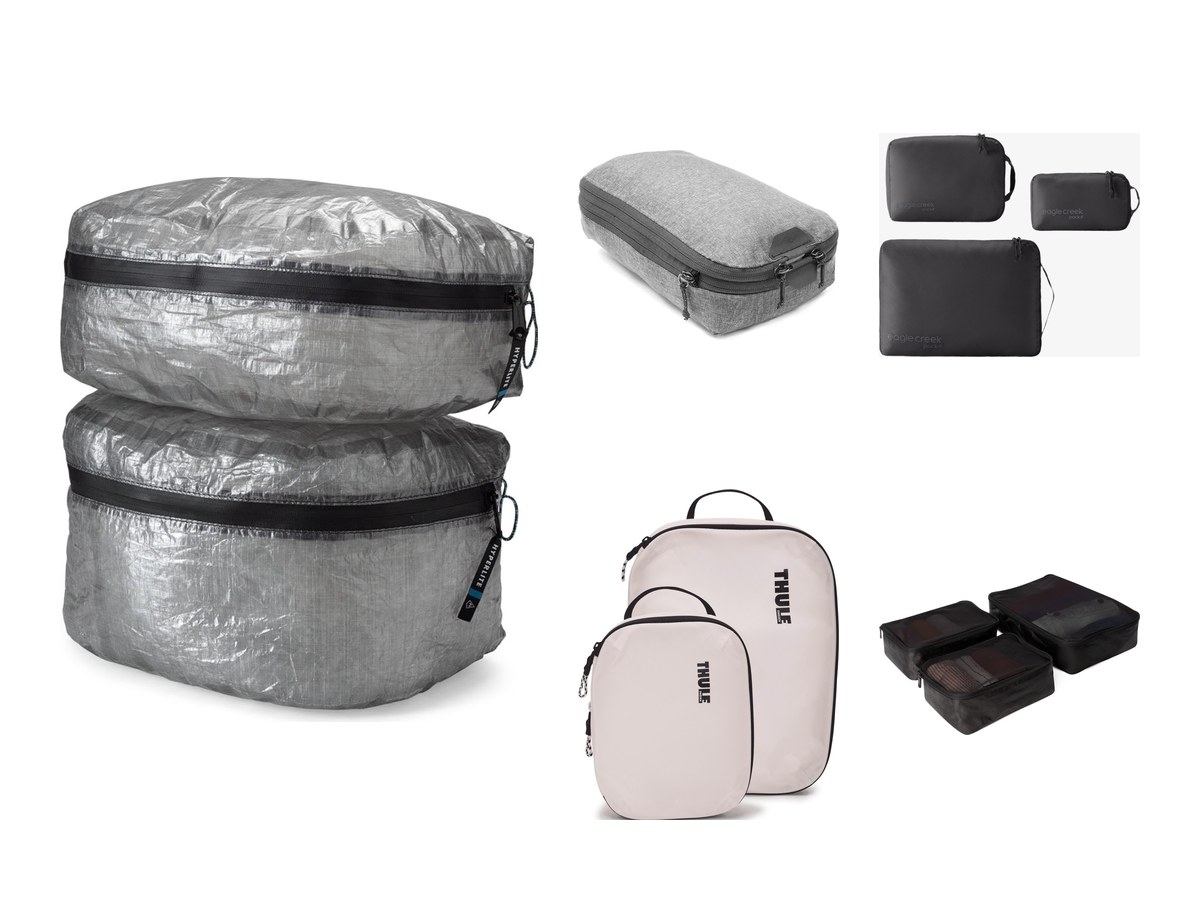
Best packing cubes
What packing cubes actually buy you, what they do not, and the one component that decides whether a set lasts a year or five.
5 picks Updated
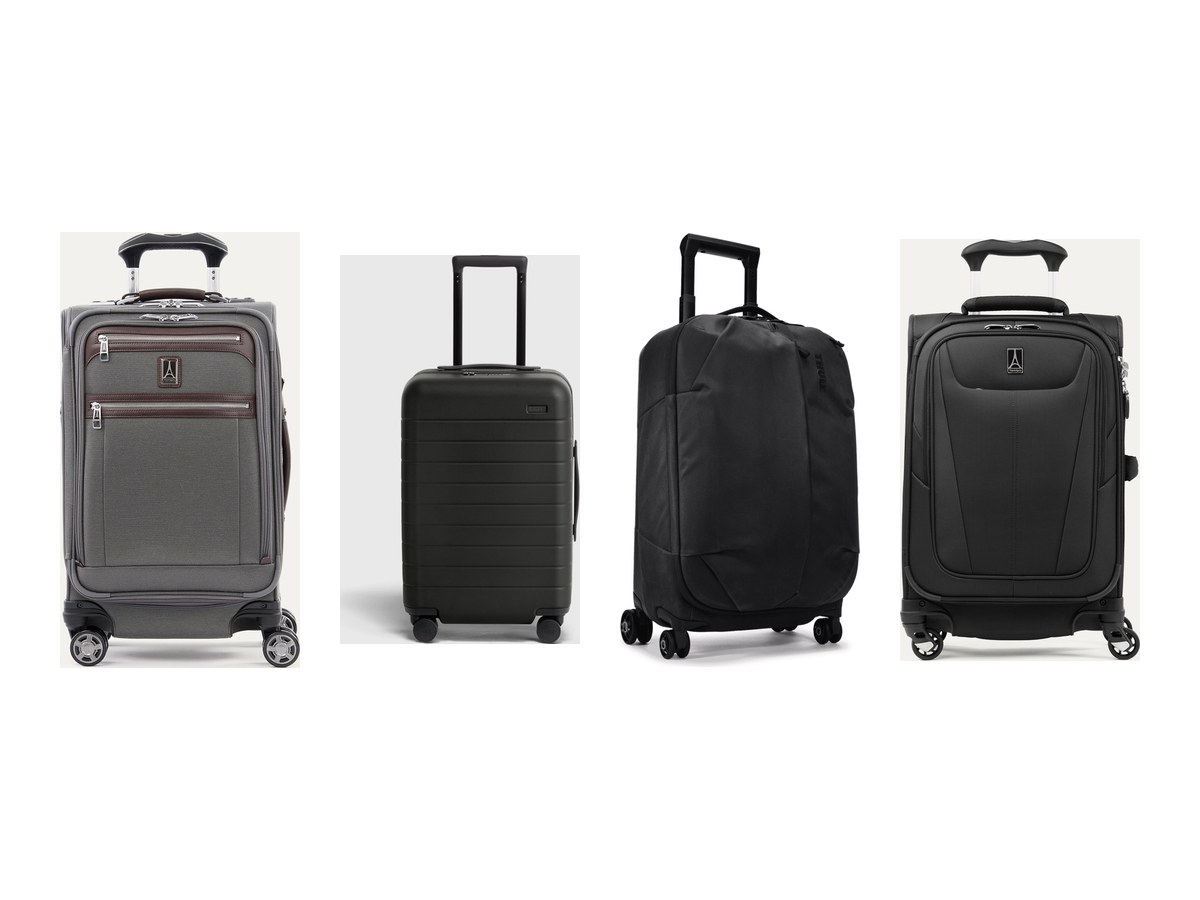
Best carry-on luggage
Cabin allowances, wheels, and the part that actually breaks. What to weigh up before you buy, and how we will decide the ranking.
4 picks Updated
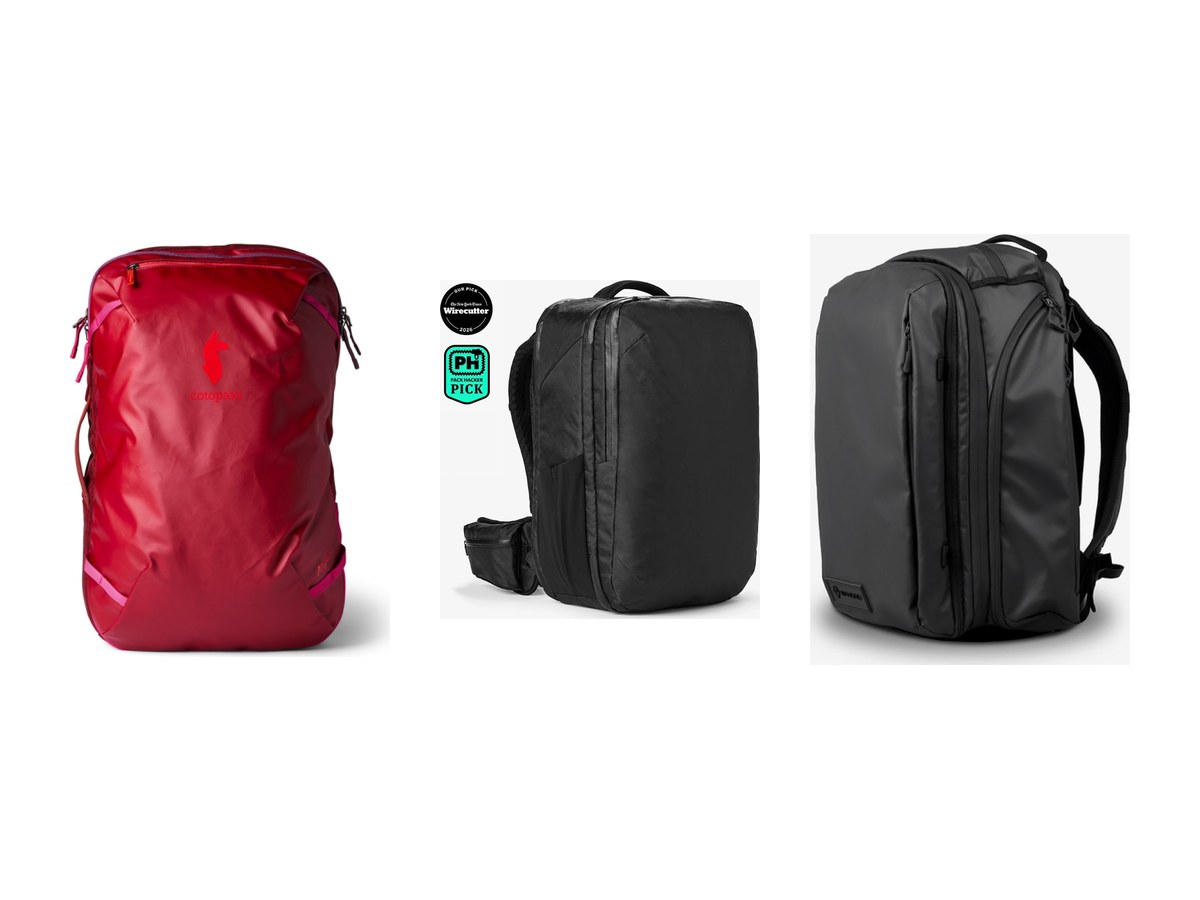
Best travel backpacks for a one-bag trip
Carrying a week on your back means trading capacity against the cabin allowance. The measurements that decide it, and how we will rank them.
3 picks Updated